You Missed These? Cricket's Most Jaw-Dropping Moments of the Last Decade, Explained for the American Fan
Sports fans in the United States are no strangers to drama. They've had the Miracle on Ice, The Last Dance, and about seventeen different "Game 7 for the ages." But there's a whole other universe of sporting chaos that's been unfolding on cricket pitches around the world — and for the most part, American audiences have been completely in the dark.
That changes now. What follows is a curated tour of cricket's most seismic moments from the past decade, each one translated through a lens that should make sense to any American sports fan. Buckle up — this sport is not boring.
The World Cup Heist Nobody Saw Coming (2019)
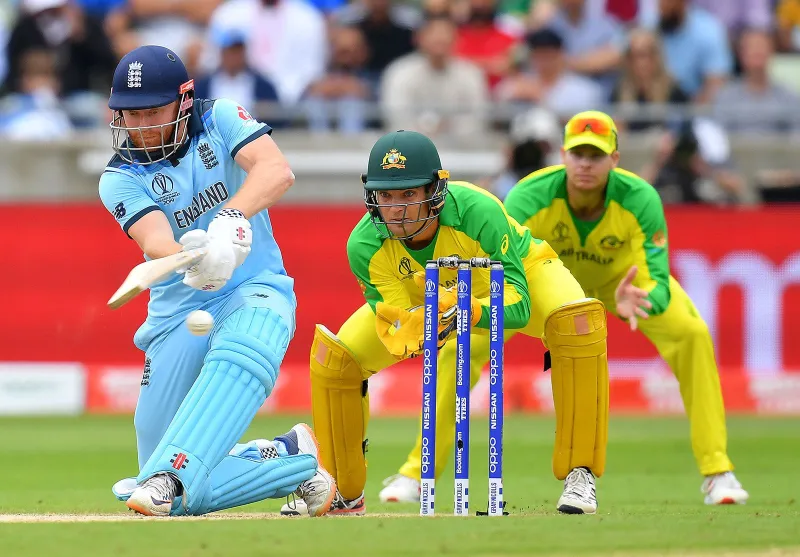
Imagine the Super Bowl going to overtime, both teams finishing level after the extra period, and then the championship being decided by a technicality that sent half the world into an absolute meltdown. That's essentially what happened at the 2019 ICC Cricket World Cup final between England and New Zealand.
With the scores tied after regulation — and then tied again after a Super Over (cricket's version of a shootout) — England were awarded the title because they'd hit more boundaries throughout the match. New Zealand had done everything right. They hadn't lost. And they still didn't win.
The cricketing world erupted. Rule books were scrutinized. The ICC changed the tiebreaker regulation within months. For New Zealand fans, it was the sporting equivalent of losing the championship on a coin flip. For England fans, it was the most surreal celebration in the sport's history. Either way, it was the kind of finish that would have broken American sports Twitter if anyone had been watching.
When a 36-Run Collapse Rewrote an Entire Series (India, 2020-21)
Here's a David vs. Goliath story that deserves its own documentary. In late 2020, India — one of cricket's two or three undisputed superpowers — were bowled out for just 36 runs in a Test match against Australia. Thirty-six. In baseball terms, that's like a team getting retired in order for nine straight innings and scoring nothing.
India's star players were injured or unavailable for the rest of the series. The pundits wrote them off. Australia, playing at home, were heavy favorites to steamroll what was essentially a second-string touring squad.
Instead, India won the series. With a team full of players most cricket fans had barely heard of, they pulled off one of the greatest comeback stories in the sport's modern history, winning at Brisbane's Gabba — a ground Australia hadn't lost at in 32 years. It's the kind of underdog narrative that would have been front-page news in every US sports outlet if it had happened in baseball, basketball, or football.
Ben Stokes at Headingley: The One-Man Miracle (2019)
If you want a single-performance comparison for American fans, think Kirk Gibson's home run in the 1988 World Series — except stretched over an entire afternoon and requiring 135 not-out runs instead of one swing.
England needed 359 runs to win the third Ashes Test against Australia in 2019. At one point, they were nine wickets down — one dismissal away from defeat — with more than 70 runs still required. Ben Stokes, batting with a tailender who could barely hold a bat, proceeded to hit one of the most extraordinary innings in cricket history, dragging England to victory in a manner so improbable that the crowd at Headingley essentially lost their collective minds.
The clip of the winning shot circulated globally. Even people who had never watched a ball of cricket understood instinctively that something extraordinary had just happened. Stokes has since become England's head coach equivalent (they call it "captain"), and his influence on the sport has only grown — but this was the moment that introduced him to the world.
The Sandpaper Scandal That Burned Australian Cricket (2018)
No sports scandal translates more cleanly to an American audience than what happened in Cape Town in March 2018. Australia's cricket team — historically the sport's most dominant force, and arguably its most arrogant — were caught deliberately tampering with the ball using sandpaper to gain an unfair advantage.
Think Pete Rose, but with the added wrinkle that it was premeditated, executed by a junior player on the instruction of senior leadership, and filmed by a broadcast camera in real time. The captain, vice-captain, and the player who physically carried out the plan were all suspended. The captain, Steve Smith, broke down in tears at a press conference that became one of the most-watched sports moments in Australian television history.
The fallout reshaped Australian cricket's culture for years. It sparked national conversations about win-at-all-costs mentalities in elite sport that went well beyond cricket. For American fans who followed the Astros sign-stealing scandal, the parallels are immediate and obvious — with the key difference that cricket's punishments landed faster and harder.
The Night Cricket Conquered the US (T20 World Cup, 2024)
This one's recent enough that some American sports fans actually did catch it — but many still missed the significance. When the ICC T20 World Cup was hosted in the United States in June 2024, cricket arrived at Nassau County's temporary stadium in New York and promptly delivered one of the tournament's great shocks.
India vs. Pakistan — the sport's most electric rivalry, a matchup that carries the weight of geopolitical history and draws television audiences of hundreds of millions — was played on American soil. India won, but the story was the setting: a sold-out crowd in New York, a global audience watching a match played in the US for the first time at that level, and a sport announcing its arrival on American shores in the most dramatic way possible.
For anyone paying attention, it felt like a genuine inflection point. Cricket wasn't visiting the US anymore. It was moving in.
Why Any of This Matters
The through-line connecting all of these moments isn't just drama for drama's sake. Each one reveals something about what makes cricket so compelling: the impossibly long odds that get beaten, the individual heroics that emerge under collective pressure, the controversies that expose the human cost of elite competition.
American sports culture already loves all of those things. It just hasn't had the context to appreciate them in cricket. Now you do. And with the sport's US footprint growing by the year, the next jaw-dropping moment might just happen in a stadium near you.