Follow the Money: How Billionaires and Big Media Are Turning Cricket Into America's Next Sports Gold Rush
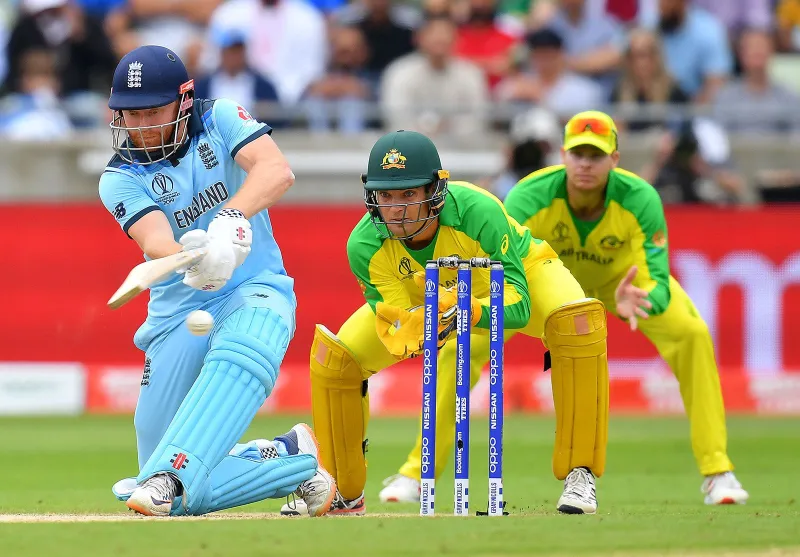
Photo: cricket stadium investors business deal sports money, via cdn.britannica.com
Not long ago, pitching cricket as an American investment opportunity would have gotten you laughed out of the room. Today, that same pitch is landing in the boardrooms of some of the most sophisticated investors in the country — and they're writing very large checks.
Something has fundamentally shifted. The numbers don't lie, the deals keep coming, and the people putting money on the line aren't amateurs. So what exactly is happening, and should you care? If you follow sports, business, or both, the answer is a pretty emphatic yes.
The MLC Effect: A League That Actually Has Legs
Major League Cricket launched its inaugural season in 2023 with six franchises and a whole lot of skepticism. Critics pointed to the graveyard of failed American cricket leagues before it. Supporters pointed to something different this time: real infrastructure, real money, and real global cricket names showing up to play.
The league's ownership structure tells a significant story. Several MLC franchises are directly affiliated with Indian Premier League teams — a strategic move that gave the fledgling competition instant credibility and a built-in pipeline of marquee talent. When you see a franchise backed by the same ownership group running one of the world's most valuable sports properties, that's not a vanity project. That's a calculated expansion strategy.
By its second season, MLC had already begun exploring expansion beyond its original six teams. New markets — think cities with large South Asian diaspora populations and robust sports infrastructure — are actively being evaluated. Each new franchise represents not just a team, but a capital infusion into local cricket ecosystems, from ground development to youth academies.
Private Equity Finds Its Crease
Here's where things get really interesting for the financially minded fan. Private equity and venture capital have discovered cricket, and they're approaching it the same way they approached Formula 1 a decade ago — as a globally beloved product that was dramatically undervalued in the American market.
The logic tracks. Cricket's global fanbase sits somewhere north of 2.5 billion people. A massive chunk of that audience lives in or has ties to the United States. The South Asian-American community alone represents one of the wealthiest demographic segments in the country, with deep emotional connections to the sport. Layer in the broader diaspora communities from the Caribbean, the UK, and Australia, and you've got a built-in audience that advertisers desperately want to reach.
Private equity firms have recognized that cricket franchise valuations in the U.S. are still relatively modest compared to what they could be if the sport achieves even a fraction of the mainstream penetration that soccer has managed over the past two decades. Buying in now, before that potential is fully priced in, is the classic PE playbook. Early MLS franchises were purchased for single-digit millions. Today, top MLS clubs are valued at over a billion dollars. Investors are openly asking whether MLC could follow a similar trajectory.
The Broadcasting Rights Battle
If you want to understand where the real money in sports lives, follow the media deals. And in American cricket right now, those deals are getting genuinely competitive.
Willow TV has long been the go-to destination for cricket fans in the States, but the landscape is shifting. Streaming platforms with much deeper pockets are circling cricket rights with increasing seriousness. The ICC's media rights packages, the IPL's international broadcasting windows, and MLC's own streaming deals are all being renegotiated or freshly contested in an environment where sports content remains one of the few things that drives live viewership.
For context, when Amazon, ESPN, or Peacock enters a bidding war for sports rights, it's not because they're doing charity work. It's because the underlying data on viewer engagement and subscriber acquisition justifies the spend. Cricket's numbers, particularly among 18-to-35-year-old viewers in major metro markets, are quietly impressive. That demographic data is what's pulling mainstream media money toward the sport.
The next few years of rights negotiations could dramatically change where and how American fans watch cricket — and more importantly, how much production value and promotional muscle gets thrown behind growing the audience.
The Skeptic's Corner: Is This All Just Hype?
Fair question, and it deserves a straight answer. Not every dollar flowing into American cricket is patient, long-term capital. Some of it is speculative — investors chasing the narrative of cricket's American breakthrough without fully accounting for how long and difficult that road actually is.
Building a genuine sports culture takes generations. The NFL didn't happen overnight. Neither did the NBA's global expansion. Cricket in America is fighting for attention in the most crowded, competitive sports market on earth. The casual American sports fan still needs convincing that a five-day Test match or even a three-hour T20 game is worth their evening.
There's also the infrastructure gap. Quality cricket facilities remain sparse outside of a handful of cities. Player development pipelines are still thin. And while the diaspora audience is real and valuable, converting casual second-generation fans into passionate, paying attendees requires more than just putting a league together.
Why the Optimists Might Be Right This Time
Despite the valid caution, there are structural reasons to believe this moment is different from previous cricket-in-America attempts. The global cricket economy has never been stronger, which means the sport's best players are more visible and more marketable than ever. Social media has collapsed the distance between international cricket stars and American audiences — a teenager in Texas can follow Virat Kohli or Pat Cummins with the same ease they follow LeBron James.
The demographic tailwinds are also undeniable. The South Asian-American population is growing, urbanizing, and increasingly sports-savvy. That community is already funding cricket at the grassroots level, from local leagues to travel teams to youth academies. When serious investment capital aligns with genuine grassroots demand, that combination has a track record of producing real sporting ecosystems.
The money flowing into American cricket right now isn't just chasing a trend. At its best, it's meeting a real and growing appetite — and that's the kind of investment that tends to stick around.